
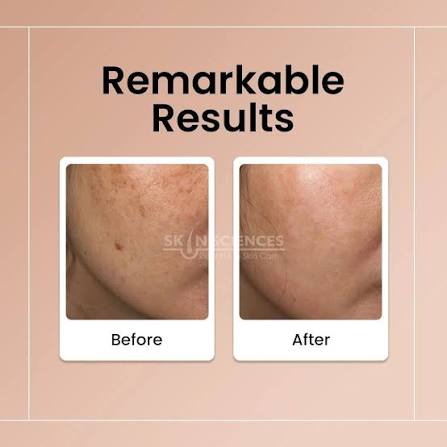
Many people start using a day cream and wonder the same thing after a few weeks: “Is it actually working, or am I just imagining it?” It is a fair question. Day cream changes are usually quiet and gradual, not dramatic overnight.
This guide explains how skin usually looks and feels before using a day cream, what you can realistically expect after, and how long it takes.
What Skin Feels Like Before Using a Day Cream
Skin without daytime protection and moisture often shows small signs that we get used to and stop noticing.
Dryness and Tightness by Afternoon
Your face may feel fine in the morning but tight or rough by afternoon, especially in air-conditioned rooms or in the dry weather of winter. This happens because the skin barrier loses water faster than it can hold it.
Dull Tone and Uneven Texture
Skin without enough moisture can look flat and tired. Dead cells sit on the surface, makeup catches on dry patches, and your face may not reflect light evenly.
Oily but Still Dehydrated
Many people skip day cream because they think their skin is oily. But oily skin can still be dehydrated. When skin lacks water, it may produce even more oil to make up for it, so your face looks shiny and still feels uncomfortable.
Daily Exposure with No Protection
Sun, dust, and pollution touch your skin every day. Without a protective layer, this slowly adds up as dark spots, uneven tone, and early fine lines.
What a Day Cream Actually Does
A day cream is not magic. Its job is simple:
- Hydrates the skin so it stays soft through the day
- Supports the skin barrier, which keeps irritation and moisture loss in check
- Creates a smooth base for sunscreen and makeup
- Adds daytime protection if it contains SPF or antioxidants
At Skin Sciences, we often tell people that a day cream works best as a steady habit, not a quick fix. The skin responds to consistency more than to the price or the number of products.
Day Cream Before and After: A Realistic Timeline
Every skin type is different, but this is a general pattern most people notice.
First Few Days
The first change is usually comfort. Your face feels less tight, and the rough feeling by afternoon starts to ease. You will not see a big visual change yet, and that is normal.
Weeks 2 to 4
Skin looks smoother and a little more even. Makeup may sit better. If your skin was dehydrated, flaky patches around the nose and cheeks often calm down. Skin may look fresher, but not “different.”
Weeks 6 to 8 and Beyond
By now your skin has gone through at least one full renewal cycle, which takes around 28 days or a bit longer as we age. This is when people notice a more balanced tone, fewer dry patches, and a healthier glow. If your day cream has protection from the sun, you may also notice fewer new dark spots over time.
What a Day Cream Can and Cannot Do
It helps to stay realistic so you do not feel disappointed.
It can:
- Improve hydration and softness
- Make skin look smoother and more even
- Help protect against daily damage
It cannot:
- Remove deep wrinkles
- Erase old scars or strong pigmentation overnight
- Replace treatment for skin conditions like eczema or severe acne
If you have a skin condition, please see a dermatologist. A day cream can support treatment, but it should not replace it.
Why Results Look Different for Everyone
Two people can use the same cream and see different results. This depends on:
- Skin type: Dry skin often shows visible change faster than oily skin.
- Sunscreen use: If you skip sunscreen, sun damage can cancel out the benefits.
- Cleansing routine: Harsh cleansers can damage the barrier your cream is trying to protect.
- Sleep, water, and diet: These matter more than most people think.
- Consistency: Using it twice a week will not give the same result as using it daily.
How to Use a Day Cream for Better Results
- Cleanse your face gently with lukewarm water.
- Apply any serum first, if you use one, and let it settle for a minute.
- Take a pea-sized to coin-sized amount of day cream and spread it on face and neck.
- Apply sunscreen after, unless your day cream already has enough SPF (SPF 30 or higher).
- Repeat every morning for at least 6 to 8 weeks before judging the result.
Common Mistakes to Avoid
- Using too much product. More cream does not mean more benefit. It can clog pores and feel heavy.
- Changing products every week. Your skin needs time to respond.
- Skipping the patch test. Test a small area on your jawline for a day or two before using it on your whole face.
- Expecting the same results as filtered photos. Real skin has pores and texture, and that is healthy.
Frequently Asked Questions
How long does it take to see results from a day cream?
You may feel softer skin within a few days. Visible changes in tone and texture usually take 4 to 8 weeks.
Can oily skin use a day cream?
Yes. Choose a lightweight, non-greasy formula. Oily skin still needs hydration and protection.
Is day cream enough, or do I also need sunscreen?
If your day cream has broad-spectrum SPF 30 or higher and you apply enough, it can work. If it has no SPF, you need a separate sunscreen.
Can I use day cream and serum together?
Yes. Apply the serum first, because it is lighter, then seal it with your day cream.
Why does my skin feel the same after two weeks?
Two weeks is early. Skin takes about a month to show real change. Also check that you are using it daily and not over-cleansing.
Should I stop if I get small breakouts at the start?
A mild reaction can happen, but if you have redness, burning, or itching, stop using it and talk to a dermatologist. Do not push through irritation.
Do I need a night cream too?
Not always. Day creams focus on protection and hydration, while night creams focus on repair. If your skin is dry or mature, using both helps.
Final Thoughts:
Before using a day cream, skin often feels tight, looks dull, and goes unprotected through the day. After steady use, most people notice comfort first, then smoother texture, then a more even, healthy look over 6 to 8 weeks. A day cream will not change your face overnight, but used daily with sunscreen and a gentle routine, it makes a real, lasting difference.