
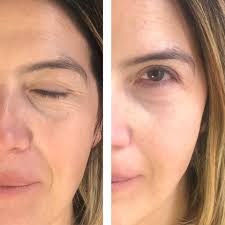
Many people look at night cream before and after photos and wonder, “Will this really work for me?” It is a fair question. A night cream is not magic, but when you use the right one in the right way, your skin does change, slowly and in visible ways.
In this guide, we explain what your skin looks like before using a night cream, what happens after, and how long it takes to see results.
What Does Skin Look Like Before Using a Night Cream?
Without a proper night routine, skin often shows small signs that people ignore. You may notice:
- A tight or dry feeling when you wake up
- A dull face with no natural glow
- Dry patches, especially around the nose and cheeks
- Makeup that looks flaky or uneven
- Fine lines that look deeper in the morning
- Oily skin that is still dehydrated underneath
These signs usually mean your skin barrier is losing moisture faster than it can repair itself.
Why Night Is the Best Time to Repair Your Skin
Your skin works in repair mode while you sleep. Blood flow to the skin increases, and cell renewal speeds up. At the same time, the skin loses more water through the surface at night. This is why a day moisturizer, which is usually lighter, is often not enough.
A night cream is made to stay on the skin for 7 to 8 hours. It supports the barrier, locks in moisture, and delivers active ingredients while you sleep.
What Does a Night Cream Actually Do?
It Restores Moisture and the Skin Barrier
Ingredients like ceramides, glycerin, and hyaluronic acid help skin hold water. A stronger barrier means less dryness, less irritation, and softer skin.
It Delivers Active Ingredients
Depending on the formula, a night cream may contain:
- Niacinamide for uneven tone and oil balance
- Peptides for firmer-looking skin
- Retinol for fine lines and texture
- Vitamin E or panthenol for soothing and comfort
Not every cream needs every ingredient. The best one depends on your skin type and your concern.
Night Cream Before and After: What to Expect Week by Week
Results depend on your skin and the product, but this is a realistic timeline for most people.
The First Few Days
- Skin feels softer and more comfortable in the morning
- Tightness reduces
- Skin looks a little more hydrated
These changes come mainly from moisture, so they appear first.
Weeks 2 to 4
- Skin texture feels smoother
- Dry patches settle down
- Skin tone looks slightly fresher
- Makeup sits better
Skin renews itself roughly every 28 days or more, so this is when changes become easier to notice.
Weeks 8 to 12
- Fine lines caused by dryness look softer
- Skin looks healthier and more even
- A natural glow appears, especially if you also use sunscreen in the day
Deeper wrinkles, dark spots, and pigmentation need more time and are not fully removed by a night cream. Anyone who promises overnight transformation is overpromising.
Why Results Look Different for Different People
Two people can use the same cream and see different results. This is normal. Results depend on:
- Skin type: Dry skin often shows hydration results faster than oily skin.
- Age: Mature skin may need ingredients like peptides or retinol.
- Consistency: Using it only now and then will not give a clear change.
- Daytime habits: Skipping sunscreen can cancel out nighttime benefits.
- Sleep, water intake, and diet: Skin reflects overall health too.
How to Use Night Cream to See Better Results
- Wash your face with a gentle cleanser.
- Apply any serum first, if you use one.
- Take a pea-sized to coin-sized amount of night cream.
- Spread it gently over your face and neck.
- Use it every night for at least 4 to 8 weeks before judging the result.
More cream does not mean better results. A thin, even layer is enough.
At Skin Sciences, we often see people stop a product after one or two weeks because they expect instant change. Skin needs time, and patience makes a real difference.
Common Mistakes That Spoil Night Cream Results
- Using too many new products at once
- Applying cream on a very dirty or makeup-covered face
- Expecting results from a heavy cream on already oily, acne-prone skin
- Starting retinol every night instead of slowly
- Not wearing sunscreen the next morning
Is Night Cream Safe for Everyone?
Most people can use night cream safely, but you should patch test any new product on your inner arm or behind your ear for 24 hours. If you have a skin condition such as eczema, rosacea, or active acne, or if you are pregnant, check with a dermatologist before using products with actives like retinol.
Frequently Asked Questions
How long does a night cream take to show results?
Hydration benefits show in a few days. Texture and glow usually improve in 2 to 4 weeks. Fine lines and tone may take 8 to 12 weeks.
Can night cream remove wrinkles?
No. It can soften the look of fine lines by hydrating and supporting skin renewal, but it cannot erase deep wrinkles.
Can I use night cream in the morning?
You can, but night creams are usually richer and may feel heavy under makeup. A lighter moisturizer with SPF is better for daytime.
Should oily skin use night cream?
Yes, but choose a light, gel-type or non-comedogenic formula. Oily skin can still be dehydrated.
Can I use night cream with serum?
Yes. Apply the serum first, then seal it in with your night cream.
At what age should I start using night cream?
Many people start around their mid-20s, but there is no strict age. If your skin feels dry or dull, a simple night moisturizer can help at any age.
Why does my skin look the same after using night cream?
It may be too early, the formula may not suit your skin type, or other habits like skipping sunscreen may be limiting results. Give it at least 4 weeks and review your routine.
Bottom Line:
A night cream will not change your face overnight, but used regularly it can make skin softer, better hydrated, smoother, and healthier-looking. Expect small improvements in the first weeks and more visible change after two to three months. Choose a formula that suits your skin type, be consistent, protect your skin with sunscreen in the day, and judge results with patience.