
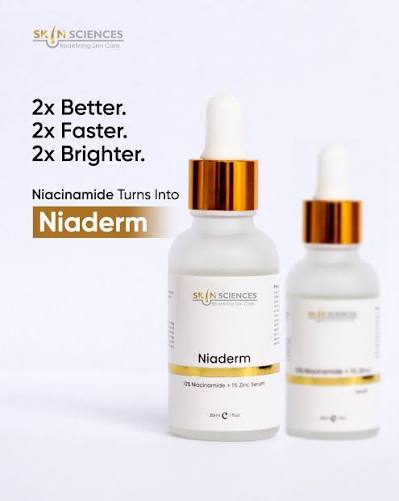
Dark spots, acne marks, sunspots, and uneven skin tone can affect the overall appearance of your complexion. Pigmentation can develop for different reasons, including sun exposure, acne, hormonal changes, and skin irritation. While it may take time to improve, the right skincare routine can help your skin look brighter and more even.
Choosing the best anti pigmentation serum in Pakistan is not simply about picking the most popular product. You should consider the ingredients, your skin type, the cause of pigmentation, and how frequently you can use the product. A well-chosen serum can become an important part of a consistent skincare routine.
What Is an Anti-Pigmentation Serum?
An anti-pigmentation serum is a concentrated skincare product formulated to target the appearance of dark spots and uneven skin tone. These products commonly contain active ingredients that support a brighter and more balanced-looking complexion.
Common ingredients found in pigmentation serums include:
- Niacinamide
- Vitamin C
- Alpha arbutin
- Retinol
- Hyaluronic acid
- Other brightening ingredients
Different ingredients work in different ways, so selecting a formula based on your specific skin concern is important.
What Causes Pigmentation?
Before choosing a serum, it helps to understand what may be causing your pigmentation.
Sun Exposure
UV rays can stimulate melanin production, which may result in darker spots and uneven skin tone. Regular sun exposure can also make existing pigmentation more noticeable.
Acne and Breakouts
Acne may leave dark marks behind even after a breakout has healed. These marks are commonly referred to as post-inflammatory hyperpigmentation.
Hormonal Changes
Hormonal fluctuations can contribute to melasma and other pigmentation concerns. These patches often appear on areas such as the cheeks, forehead, and upper lip.
Skin Irritation
Over-exfoliation, harsh skincare products, or picking at blemishes can irritate the skin and potentially worsen discoloration.
Key Ingredients in an Anti-Pigmentation Serum
The ingredients in a serum are more important than attractive packaging or marketing claims. Here are some commonly used ingredients to look for.
Niacinamide
Niacinamide is a versatile skincare ingredient that can help improve the appearance of uneven skin tone while supporting the skin barrier. It is often suitable for oily, combination, and acne-prone skin.
Vitamin C
Vitamin C is an antioxidant frequently used in brightening skincare. It can help improve the appearance of dull skin and support a more radiant-looking complexion.
Alpha Arbutin
Alpha arbutin is commonly included in products designed for dark spots and uneven skin tone. It is a popular choice for people looking for a gentle brightening ingredient.
Retinol
Retinol supports skin renewal and may help improve the appearance of uneven texture and discoloration. Because it can cause irritation, it is generally better to introduce it gradually.
Hyaluronic Acid
Hyaluronic acid helps attract and retain moisture in the skin. While it does not directly treat pigmentation, hydration can help support a healthy-looking skin barrier.
Best Anti Pigmentation Serum in Pakistan: How to Choose
There is no single serum that is perfect for every person. The right product depends on your skin type and the specific pigmentation concern you want to address.
For Dark Spots
If dark spots are your primary concern, consider formulas containing ingredients such as alpha arbutin, niacinamide, or vitamin C.
For Acne Marks
If you have post-acne marks, niacinamide may be a useful addition to your routine. It can support the skin barrier while helping improve the appearance of uneven tone.
For Dull Skin
Vitamin C-based serums can be considered when dullness and lack of radiance are your main concerns.
For Sensitive Skin
If your skin is sensitive, start with a gentle formula. Avoid introducing multiple active ingredients at the same time and gradually build your routine.
Skin Sciences Anti-Pigmentation Skincare
Skin Sciences offers skincare products designed for a range of common skin concerns.
For people looking to improve the appearance of uneven skin tone and dark spots, Skin Sciences has options such as Niacinamide Serum, Vitamin C Serum, and Alpha Arbutin Serum. These ingredients are commonly used in skincare routines focused on brighter and more even-looking skin.
The most suitable serum depends on your skin type and individual concern. It is always important to check the product instructions and ingredient list before adding a new active to your routine.
Benefits of Using an Anti-Pigmentation Serum
When used consistently and correctly, a suitable serum may provide several skincare benefits.
These can include:
- Improving the appearance of dark spots
- Supporting a more even-looking complexion
- Helping reduce the appearance of post-acne marks
- Improving the appearance of dull skin
- Supporting smoother-looking skin
- Adding targeted active ingredients to your routine
Results vary depending on the cause and severity of pigmentation, skin type, product formulation, and consistency.
How to Use an Anti-Pigmentation Serum
A simple routine can help you use your serum correctly.
Step 1: Clean Your Skin
Use a gentle cleanser to remove dirt, oil, and impurities.
Step 2: Apply the Serum
After cleansing, apply a few drops of serum to your face. Gently spread it without aggressively rubbing your skin.
Step 3: Apply Moisturizer
Use a moisturizer after your serum to help maintain hydration and support your skin barrier.
Step 4: Apply Sunscreen
In the morning, finish your routine with broad-spectrum sunscreen.
Follow the specific directions provided with your serum. If you are using a stronger active ingredient, introduce it gradually.
Why Sunscreen Matters for Pigmentation
No pigmentation routine is complete without sun protection. UV exposure can contribute to pigmentation and make existing dark spots more noticeable.
Apply sunscreen every morning, even when you do not plan to spend a lot of time outdoors. If you are outside for an extended period, reapply according to the sunscreen’s instructions.
Daily sun protection can help you maintain a more even-looking complexion while supporting your overall skincare routine.
Common Mistakes to Avoid
Using Too Many Products
Adding several active ingredients at once can increase the chance of irritation. Introduce products one at a time.
Skipping Sunscreen
Without proper sun protection, pigmentation may become more difficult to manage.
Expecting Fast Results
Pigmentation usually develops over time, so it is unrealistic to expect dark spots to disappear overnight. Consistency is important.
Applying Too Much Serum
Using more product does not necessarily produce faster results. Follow the recommended amount.
Ignoring Irritation
Persistent redness, burning, or discomfort should not be ignored. Stop using a product if it causes significant irritation and seek professional advice when necessary.
Can an Anti-Pigmentation Serum Completely Remove Pigmentation?
A serum may help improve the appearance of dark spots and uneven skin tone, but it cannot guarantee complete removal of pigmentation.
The result depends on the underlying cause, severity, skin type, ingredients, consistency, and sun exposure. Some pigmentation concerns may require professional treatment.
If your pigmentation is persistent or worsening, a dermatologist can assess your skin and recommend appropriate treatment options.
How Long Does an Anti-Pigmentation Serum Take to Work?
Skincare results vary between individuals. Some people may notice improvements in skin brightness or texture before they see significant changes in dark spots.
Stubborn pigmentation can take longer to improve. Consistent product use, gentle skincare, and regular sun protection are important parts of the process.
Avoid changing products too frequently simply because you do not see immediate results.
Anti-Pigmentation Serum for Different Skin Types
Oily Skin
Choose lightweight, non-greasy formulas that feel comfortable on the skin. Niacinamide may be a useful ingredient for oily or combination skin.
Dry Skin
Look for formulas that provide brightening ingredients alongside hydrating components. Always follow your serum with a suitable moisturizer.
Combination Skin
A lightweight serum can work well for combination skin. Keep oily areas comfortable without neglecting hydration on drier areas.
Sensitive Skin
Keep your routine simple and introduce active ingredients gradually. Patch testing can also help you identify potential irritation.
When Should You Consult a Dermatologist?
If pigmentation is persistent, severe, spreading, or changing unexpectedly, professional evaluation may be appropriate.
A dermatologist can identify the possible cause of your pigmentation and recommend suitable treatments. Depending on the condition, treatment may include topical products, prescription medication, chemical peels, laser procedures, or other professional options.
Last Words
Choosing the best anti pigmentation serum in Pakistan requires more than looking at product popularity. Consider your skin type, pigmentation concern, ingredients, formulation, and how your skin responds to active ingredients.
Skin Sciences provides several serum options featuring popular skincare ingredients such as niacinamide, vitamin C, and alpha arbutin. Choose a serum that matches your needs, introduce active ingredients gradually, maintain a consistent routine, and use sunscreen every day for better overall skin protection.
Frequently Asked Questions
1. Which serum is best for pigmentation?
The best serum depends on your skin type and the cause of pigmentation. Niacinamide, vitamin C, and alpha arbutin are commonly used ingredients for dark spots and uneven skin tone.
2. Is Skin Sciences suitable for pigmentation?
Skin Sciences offers serum options containing ingredients such as niacinamide, vitamin C, and alpha arbutin, which can be included in skincare routines focused on uneven skin tone and dark spots.
3. Can an anti-pigmentation serum remove dark spots?
A suitable serum may help reduce the appearance of dark spots over time. However, results depend on the cause and severity of pigmentation and consistent skincare.
4. Can I use an anti-pigmentation serum every day?
Some serums are suitable for daily use, while stronger active ingredients may need to be introduced gradually. Always follow the product’s recommended usage.
5. Should I apply sunscreen after using a pigmentation serum?
Yes. Sunscreen is an essential part of a pigmentation-focused routine because UV exposure can contribute to dark spots and uneven skin tone.
6. How long does pigmentation take to improve?
The timeline varies from person to person. Mild discoloration may improve sooner, while stubborn pigmentation can require longer-term skincare or professional treatment.