
Yes, oily skin needs moisturizer. Oil is what your glands produce, while hydration is the water your skin cells hold, and a face can look shiny by lunchtime and still be short on water.
Most of us grew up hearing, “Your face is already oily, why add anything more?” It sounds logical, but it mixes up two different things. This guide separates them, explains how Pakistan’s heat, air conditioning and winter smog change the picture, and shows you how to find the Best Moisturizer in Pakistan for Oily Skin without ending up greasy or breaking out.
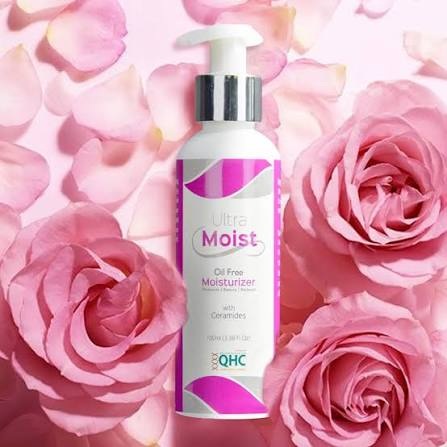
Oil Is Not the Same as Hydration
Sebum is a fatty substance your skin releases onto its surface. Water, on the other hand, sits inside the outer layer of skin cells. Picture a dry sponge brushed with cooking oil: it gleams, yet the sponge is still dry inside.
A good moisturizer does three jobs:
- It pulls water into the skin. Glycerin and hyaluronic acid are common examples.
- It seals that water in so it does not evaporate.
- It helps repair the barrier, the thin protective layer that keeps irritants out.
Oily skin supplies plenty of fat, but it does none of those three jobs. That gap is why moisturizer still matters for you.
What Happens When You Skip It
When skin lacks water, it tends to feel tight after washing, look dull, and react to products that never bothered it before. Makeup and sunscreen may start clinging in patches.
Many dermatologists also note that stripped, dehydrated skin often looks oilier and feels more sensitive. Researchers are still discussing how directly dehydration raises oil output, so treat this as a common pattern, not a rule. What is clear is that a weak barrier makes acne treatments sting and slows healing.
A Simple Test: Is Your Oily Skin Also Dehydrated?
Try this on a quiet evening. Wash your face with a gentle cleanser, pat it dry, and apply nothing. Wait about an hour, then notice how your skin feels and looks.
| What you notice | What it usually means | What helps |
| Shiny all over, comfortable | Oily but well hydrated | A very light gel moisturizer |
| Shiny T-zone, tight or rough cheeks | Oily and dehydrated (combination) | Gel or light lotion with hyaluronic acid or glycerin |
| Tight everywhere, then shiny by afternoon | Dehydrated, with oil rebounding | Gentler cleansing plus a gel-cream |
| Stinging, redness, flaking | Damaged barrier | Fragrance-free moisturizer, and a pause on strong actives |
If you land in the second or third row, you are in good company. It is a very common pattern among people who wash often and skip moisturizer.
How Pakistan’s Weather Changes the Rules
Our climate swings hard, so one moisturizer rarely suits all twelve months.
- Hot, humid months (roughly April to September): In Karachi, Lahore and Multan, sweat and oil both climb. A water-based gel feels best, and a thin layer is enough.
- Winter (November to February): Cold, dry air in Islamabad, Peshawar and the northern areas pulls water out of the skin, while smog and fog in Punjab irritate it. Many oily-skinned people do better with a gel-cream now.
- Air-conditioned rooms: Hours in an AC office or car dry out the skin’s surface, even in July.
- Dust and pollution: Cleanse gently at night, then moisturize to support the barrier.
Some people also find that hard tap water leaves their face tight after washing. If that sounds like you, rinse well and apply moisturizer while your skin is still slightly damp.
How to Choose the Best Moisturizer in Pakistan for Oily Skin
The best moisturizer in Pakistan for oily skin hydrates without leaving a film. Look for a light texture, no heavy oils, and ingredients that attract water. Use the checklist below in a shop or while reading an online listing.
Texture. Gels and watery lotions absorb quickly. Thick creams and balms usually sit on top of oily skin. As a rule of thumb, pick a gel for humid months, a lotion for in-between weather, and a gel-cream for winter.
Labels. “Oil-free” and “non-comedogenic” are helpful signals, but neither is a guarantee. Read the ingredient list as well.
Ingredients. These suit most oily and combination skin:
| Ingredient | What it does | Good to know |
| Glycerin | Draws water into the skin | Gentle and widely used |
| Hyaluronic acid | Holds water at the surface | Works best on slightly damp skin |
| Niacinamide | Supports the barrier and may calm oiliness and redness | A few people flush at high strengths |
| Ceramides | Rebuild barrier lipids | Useful if your skin stings |
| Squalane | A very light, skin-friendly oil | Rarely clogs pores |
| Aloe vera | Soothes and cools | Check for added fragrance |
Ingredients to treat with care. Heavy mineral oil or petroleum balms in thick layers, coconut oil (often rated as pore-clogging), strong fragrance or essential oils, and large amounts of denatured alcohol. Skin is individual, so if a product makes you break out, stop using it, whatever the label promises.
Sunscreen compatibility. Your moisturizer should sit smoothly under sunscreen without rolling into tiny crumbs. It is not a replacement for sunscreen, so keep both in your morning routine.
Authenticity. Counterfeit skincare circulates in local markets. Buy from a brand’s official store or an authorised seller, check the batch number and expiry date, and be wary of anything promising instant whitening.
How to Use Moisturizer on Oily Skin
A good product only helps if you apply it well. Here is a routine that works for most people.
- Cleanse gently. Use a mild face wash, no more than twice a day.
- Pat, don’t rub. Leave your skin slightly damp.
- Apply serums or treatments first, going from the thinnest to the thickest texture.
- Moisturize. A pea-sized amount, pressed over your face and neck, is usually enough.
- Finish with sunscreen in the morning. Give the moisturizer a minute or two to settle first.
At night, repeat steps one to four and skip the sunscreen.
Mistakes That Keep Oily Skin Stuck in a Cycle
Even careful people fall into these habits.
- Over-washing or scrubbing. Three or four washes a day strip the skin and invite more dehydration.
- Alcohol-heavy toners used to “dry out” oil
- Relying on blotting paper alone, which removes shine but adds no water
- Switching products every week. Most need four to six weeks before you can judge them.
- Dropping moisturizer during acne treatment. Retinoids, benzoyl peroxide and salicylic acid dry the skin, so hydration helps you tolerate them.
- Choosing a thick cream just because it is winter. A gel-cream is often enough.
Does Moisturizer Cause Pimples?
A suitable moisturizer does not. Problems usually come from heavy oils, strong fragrance, or one ingredient your skin dislikes.
Introduce one new product at a time. Patch-test it on your jawline for a few days, then use it on your whole face. If small, clustered bumps appear within a couple of weeks, pause and review the ingredient list.
Where QHC Fits In
At QHC, we believe skincare should respect real skin and real weather. For oily skin, that means light hydration, no needless heaviness, and a texture that layers well under sunscreen. When you compare a QHC moisturizer with any other brand, read the ingredients, feel the texture on your hand, and patch-test before you commit.
Editor’s note: add the exact QHC product names, key ingredients, size and price here. Keep only claims that your formula and testing support.
When to See a Dermatologist
Book a visit if you have painful or deep acne, burning or swelling after using a product, no improvement after two to three months, or dark marks and scarring that worry you. Moisturizer supports healthy skin, but it does not treat medical conditions.
Frequently Asked Questions
Do oily skin types need moisturizer every day?
Yes. Apply it morning and night. Choose a gel or light lotion so your skin stays comfortable.
Which moisturizer works best for oily skin in summer?
A water-based gel with glycerin or hyaluronic acid. It hydrates without adding the heavy feel that humid weather makes worse.
Is a moisturizer with SPF enough?
Usually not. Most people apply far less than the amount used in SPF testing, so you get less protection than the label suggests. Use a separate broad-spectrum sunscreen too.
Does moisturizer make pores look bigger?
No. Pore size is mostly genetic. A non-comedogenic formula will not enlarge pores.
Should I change my moisturizer in winter?
Possibly. If your cheeks feel tight or flaky when the weather turns cold, switch from a gel to a gel-cream. Go back to the gel when it warms up.
Do men with oily skin need moisturizer?
Yes. Skin needs depend on oil level and sensitivity, not gender.
Final Words
So, do oily skin types need moisturizer? They do. Hydration protects your barrier, helps breakouts heal, and can make your skin look less shiny over time.
The trick is to match the texture to the weather and stay consistent. Next time you compare options for the best moisturizer in Pakistan for oily skin, read the label, patch-test first, and give your skin a few weeks to respond.