
Twice a day is the right number for most people with acne: once in the morning and once at night. Add one extra wash after heavy sweating, like after a workout or a long ride in summer heat. Anything beyond that usually irritates your skin without clearing a single extra pimple.
That answer surprises a lot of people. When breakouts appear, the first instinct is to scrub harder and wash more often, as if acne were a cleanliness problem. It isn’t. In this guide, we explain how often to cleanse, why more is not better, and how to pick the Best Face Wash for Acne Prone Skin when you’re dealing with Pakistan’s heat, dust and hard water.
Why Acne Is Not a Dirt Problem
Acne starts inside the pore. Your oil glands make sebum, dead skin cells pile up at the pore opening, and the plug becomes a comfortable home for acne-causing bacteria. Your body responds with inflammation, and you end up with a red bump or a whitehead. Hormones, genetics, stress and some medicines can all push the process along.
A face wash can’t reach that deep. What it does well is clear the surface: extra oil, sweat, sunscreen, makeup and dust. That keeps the top layer from adding to the traffic jam in your pores. Think of cleansing as good housekeeping, not as treatment.
What Happens When You Wash Too Much
Every wash takes away some of your skin’s natural oils. A mild cleanser removes only a little. Wash four or five times a day, or use a harsh product, and you start stripping the barrier that keeps moisture in and irritants out.
Watch for these signs that you’re overdoing it:
- Your skin feels tight or squeaky right after rinsing
- You see redness, stinging or peeling around the nose and chin
- Your acne medicine suddenly burns
- Old pimples heal slowly while new small bumps keep appearing
Researchers still debate how directly over-washing raises oil production. The practical result is clearer: irritated skin is unhappy skin, and acne rarely improves in it.
What Happens When You Wash Too Little
Skipping the night wash has its own cost. Sweat, sunscreen, pollution and makeup stay on your face for hours, then rub into your pillowcase, which touches your cheeks all night. For skin that already clogs easily, that’s an easy way to make things worse.
How Pakistan’s Weather Changes Your Routine
- Summer heat and humidity. In Karachi, Lahore and Multan, sweat and oil build up fast. One extra rinse after sweating is fine. A fourth wash just because your nose feels shiny is not.
- Helmets and daily commutes. Riders deal with sweat under the helmet and exhaust fumes on the road. A proper night wash is non-negotiable, and the helmet liner needs regular cleaning too.
- Dust and smog. Fine particles settle on your skin all day. Wash them off at night rather than going to bed with them.
- Winter dryness. Cold, dry air in Islamabad and the northern areas makes skin tighter. A creamier cleanser, or water alone in the morning, often works better.
- Hard water. Some people notice a tight, dull feeling after washing. Rinse thoroughly and moisturize while the skin is still slightly damp.
How to Choose the Best Face Wash for Acne Prone Skin
The best face wash for acne prone skin cleans without that squeaky, stripped feeling. A wash is rinsed off within a minute, so its active ingredients work more gently than leave-on treatments.
Skip bar soaps, products with a lot of denatured alcohol, harsh scrubs with crushed seeds or shells, and anything with strong fragrance. Look for “non-comedogenic” on the label, though it is a hint and not a promise.
As for texture, a gel or light foam suits oily skin. A cream or lotion cleanser suits dry or sensitive skin.
A Simple Way to Wash Your Face
- Wash your hands first. Dirty fingers undo the whole effort.
- Use lukewarm water. Hot water irritates, and cold water doesn’t clean as well.
- Massage a small amount of cleanser with your fingertips for 30 to 60 seconds, paying attention to the nose, chin and hairline.
- Rinse completely. Leftover cleanser can itch and cause bumps along the jaw.
- Pat dry with a clean towel. Rubbing inflames active pimples.
- Follow with your treatment and a light moisturizer, then sunscreen in the morning.
Common Mistakes People Make
- Scrubbing hard to “open” the pores, when pores don’t open and close like doors
- Washing again and again during the day because skin looks oily by noon
- Using face wipes alone at night and calling it a clean face
- Changing the face wash every week, so no product gets a fair trial
- Sharing a towel, or using the same one for days
- Popping pimples after washing, when the skin is soft and easy to scar
- Skipping moisturizer because the skin is oily
Where QHC Fits In
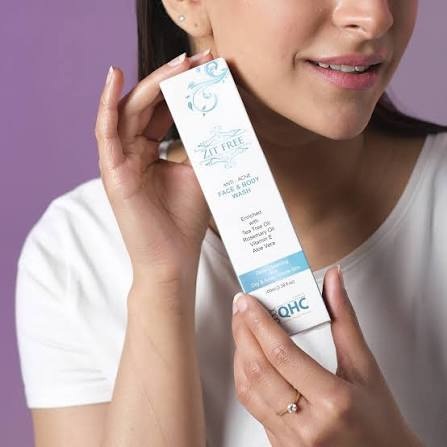
At QHC, we think a face wash for breakout-prone skin should do one job well: clean gently and get out of the way. That means no harsh stripping, no heavy fragrance, and a texture that rinses off easily in warm weather. When you compare QHC with any other brand, read the ingredient list, check how your skin feels ten minutes after washing, and give a new product a few weeks before you judge it.
Editor’s note: add the exact QHC face wash names, key ingredients, size and price here. Keep only claims that your formula and testing support.
When to See a Dermatologist
Book an appointment if your acne is painful, deep or leaving scars, if it hasn’t improved after two to three months of steady care, or if your skin burns and peels after starting a new product. Prescription treatments work far better than any cleanser for moderate or severe acne, and a doctor can tell you how often to wash while you’re on them.
Frequently Asked Questions
Can I wash my face three times a day if I have acne?
Yes, but only when the third wash follows heavy sweat, such as after exercise. Washing three times out of habit tends to dry and irritate the skin.
Is it necessary to wash my face before bed?
Yes. It’s the most useful wash of the day because it removes sunscreen, sweat and dust before they sit on your skin overnight.
Can a face wash cure acne?
No. A face wash supports clear skin by keeping the surface clean, but acne starts inside the pore. Treatments and, when needed, a doctor’s care do the real work.
How long does it take to see results from a new face wash?
Give it four to eight weeks. If your skin becomes red, itchy or sore sooner, stop using it.
Should I use a stronger face wash when my acne flares up?
Usually not. A flare-up means your skin is already inflamed, so gentler care works better than a harsher product.
Final Words
So, how many times a day should you wash your face if you have acne? Twice, with one more wash after heavy sweat if you need it. Be gentle, keep your routine steady, and let your skin settle.
When you shop for the best face wash for acne prone skin, choose a mild formula, wash for under a minute, and follow it with moisturizer. Small, consistent habits do more for acne than any harsh scrub.